

Is Your Dog Growing Old? Fresh Dog Food Helps Them Age Healthier, Study Shows
As our dogs move into their golden years, every small choice we make can help them stay comfortable, mobile, and full of joy. One area gaining real scientific traction is diet — specifically, feeding minimally processed, fresh food. A recent year-long metabolomic study conducted in partnership with Cornell University shows the best evidence yet of how a fresh, human-grade diet affects senior dogs’ biology — and the results are interesting for dog parents thinking about nutrition for their aging pup.
What the year-long Cornell study did, and why it matters
Researchers followed senior dogs for a full year, comparing dogs fed a fresh, human-grade diet to dogs fed a standard extruded kibble diet. They looked at serum metabolomics — essentially a wide panel of small molecules in the blood that reflect metabolic health — at multiple time points over the year. The controlled, long-duration design makes this one of the most comprehensive feeding studies focused on aging dogs to date.
Key findings
-
Dogs eating the fresh diet showed a rapid and sustained metabolic shift, evident after only one month and maintained across the year.
-
The fresh-fed dogs had lower levels of advanced glycation end products (AGEs) — compounds linked to cellular aging and chronic disease — a change that suggests a potential slowing of age-related metabolic stress.
Those are measurable, biological changes — not just owner impressions — which is why the study is resonating across veterinary and pet nutrition circles.
Why fresh food might produce those benefits
Fresh, minimally processed recipes tend to preserve nutrients and naturally occurring bioactives — things like antioxidants, certain peptides, and more intact vitamins — that can be altered or reduced by high-temperature extrusion (the process used to make kibble). That difference in nutrient availability and biochemical composition appears to shift metabolic pathways in ways that are associated with healthier aging markers in this study. In short: what goes into the bowl affects what shows up in the blood.
What this means for a senior dog parent
-
Better metabolism does not equal no other age-related health issues. The study shows meaningful metabolic improvements, but diet is one part of healthy aging alongside veterinary care, weight management, exercise, dental health, and mobility support
-
Transition slowly. Any diet change should be gradual (over 7–14 days or as your vet recommends) so digestion and appetite can adjust. Monitor stool quality, energy, and body condition
-
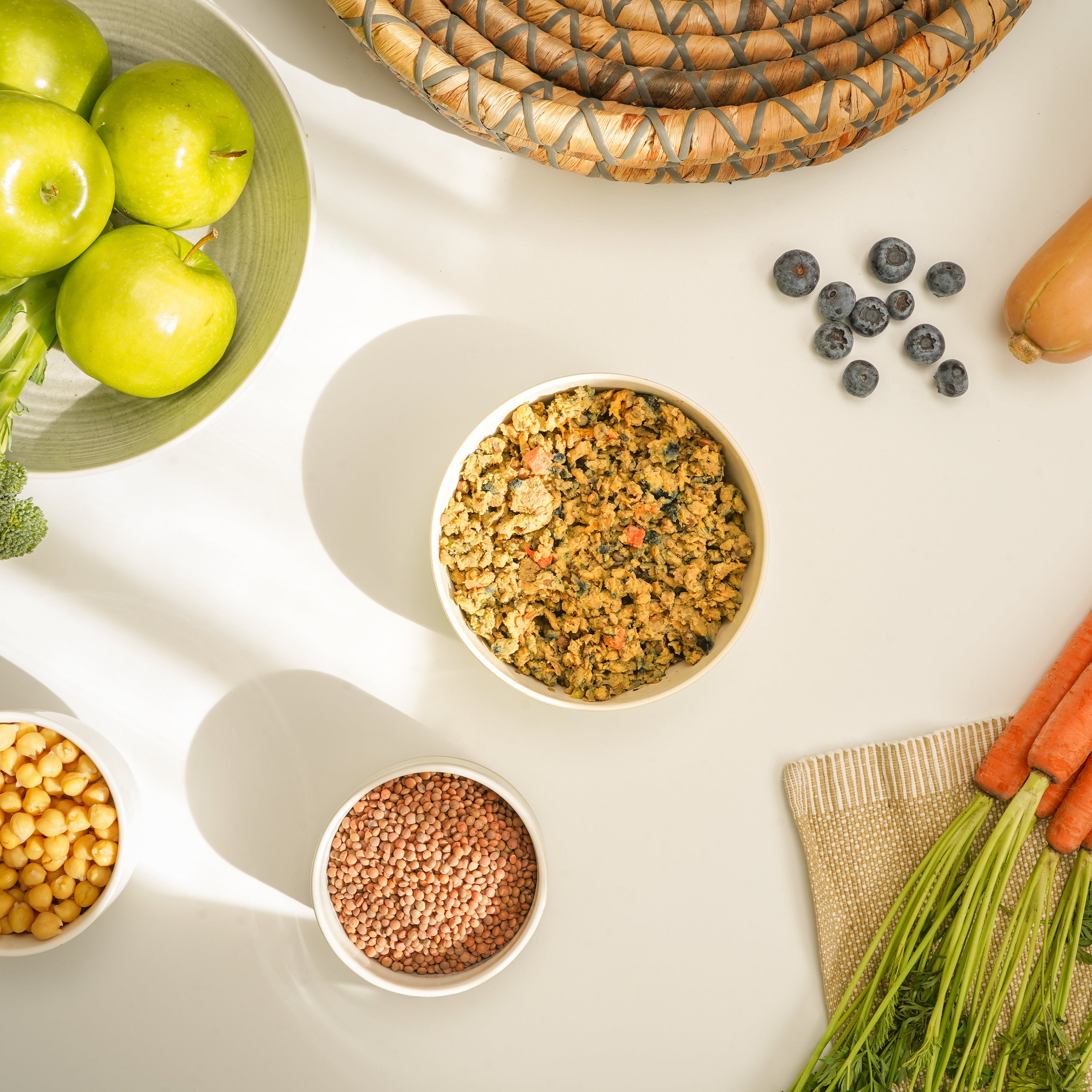
Watch weight and muscle mass. Senior dogs often need higher-quality protein to preserve lean mass. Fresh diets with bioavailable protein sources like chickpeas, lentils, pea protein, oyster mushroom protein in our High Protein recipe can help. But portion control matters — obesity accelerates aging problems.
-
Look for complete & balanced formulas The Cornell study included board-certified nutritionist oversight and found no nutrient gaps across a year. When choosing a fresh diet, look for recipes developed by a board-certified veterinary nutritionist such as Root & Tail, for ideal complete & balanced diets. Both our recipes are developed by Dr. Sarah Dodd, one of Canada's few qualified board-certified vet nutritionists.
Our take on senior nutrition
At Root & Tail, we’re guided by science. We designed our recipes to deliver bioavailable protein, anti-inflammatory omega-3s, joint-supporting nutrients, and antioxidants — all in balanced formulations that aim to preserve muscle and metabolic health as your dogs age.
This year-long Cornell study gives us promising, concrete data showing that fresh, minimally processed diets can shift metabolic markers linked to healthier aging in senior dogs. It suggests that choosing nutrient-dense, minimally processed food can be a meaningful part of helping your senior dog feel better and age more gracefully. If you’re considering a change, let’s work together: we can help you pick the right formula, plan a gentle transition, and set up what to monitor so your dog benefits safely.
Sources & further reading
-
Year-long metabolomic study: Serum Metabolomics of Senior Dogs Fed a Fresh, Human-Grade Food versus an Extruded Kibble Diet (Metabolites / MDPI).
-
Cornell University project page about the geriatric feeding comparison and collaborators.
-
Cornell Vet resources on choosing food for senior dogs (veterinary perspective on individualized approaches).